What Causes Concrete Cracks, Spalling, and Surface Damage
To address what causes concrete cracks, spalling, and surface damage, local contractors can diagnose issues and provide expert repair services to restore your concrete’s durability and appearance.
Understanding what causes concrete cracks, spalling, and surface damage is essential for property owners looking to maintain the safety and appearance of their structures. These issues can arise from a variety of practical factors, including temperature fluctuations, moisture infiltration, and the natural settling of the ground beneath a concrete surface. Recognizing the common causes helps homeowners and business owners identify early signs of deterioration, potentially preventing more extensive and costly repairs down the line. Local contractors specializing in concrete repair can assess these underlying issues and recommend effective solutions to restore and protect concrete surfaces.
For property owners in the area, exploring the causes of concrete damage is a proactive step toward preserving the integrity of driveways, sidewalks, patios, and other concrete features. When cracks, spalling, or surface damage appear, experienced service providers can offer targeted repairs to address both the symptoms and the root causes. By understanding these factors, property owners can better evaluate when professional assistance is needed, ensuring that concrete surfaces remain durable and safe for years to come. Keep reading to learn more about how local contractors can help manage and repair concrete damage caused by these common issues.
Get Quotes for Concrete Cracks, Spalling, And Surface Damage Repair
- Concrete cracks often occur due to temperature fluctuations and ground movement, prompting local contractors to evaluate the underlying causes and recommend appropriate repair methods. Spalling typically results from freeze-thaw cycles or moisture infiltration, which local service providers address through surface restoration techniques. Surface damage can stem from heavy impact or wear over time, leading local pros to perform surface repairs that restore the integrity of the concrete. Understanding the causes of surface damage helps local contractors determine whether crack sealing or surface resurfacing is necessary. These professionals assess the specific conditions to provide effective concrete repairs tailored to each situation.
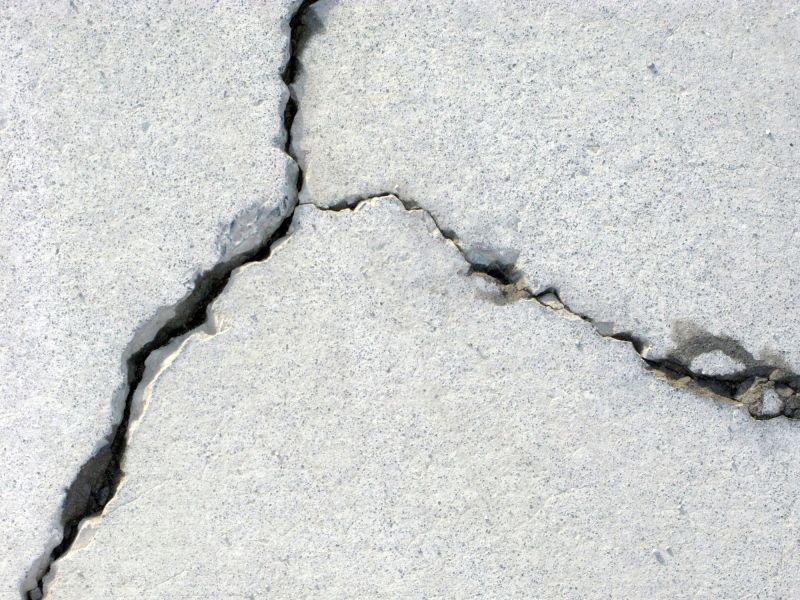
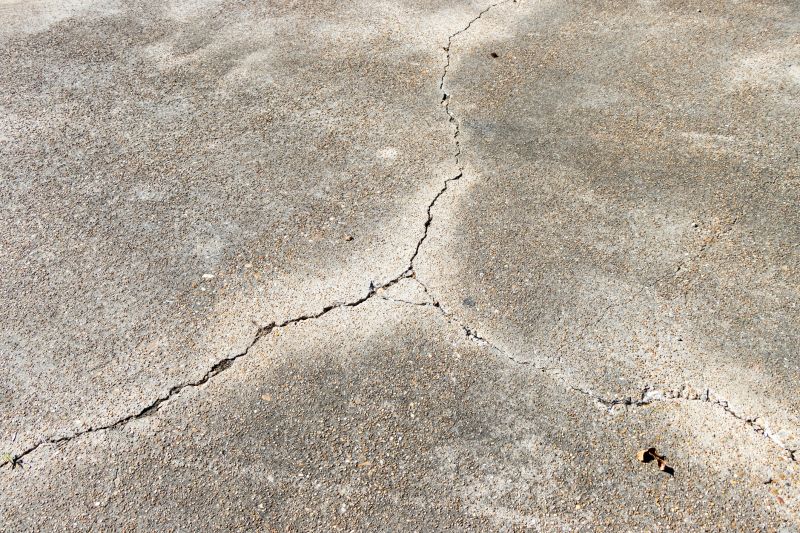
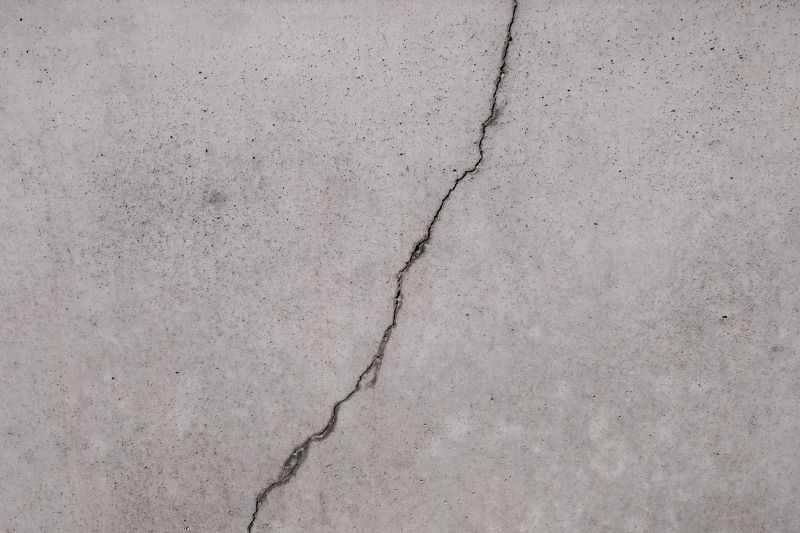
Understanding what causes concrete cracks, spalling, and surface damage is essential for homeowners looking to maintain or restore the integrity of their property’s concrete features. When people search for this topic, they often want to identify the underlying reasons behind visible issues such as uneven surfaces, crumbling edges, or surface pitting. These problems can affect various parts of a property, including driveways, sidewalks, patios, garage floors, and foundation slabs. Recognizing the causes helps homeowners determine whether repairs are necessary and how to prevent future damage, making it a common concern for those planning repairs or upgrades to their outdoor and indoor concrete surfaces.
Concrete cracks can develop for several reasons, often related to the material’s natural response to environmental and structural stresses. For example, shrinkage cracks occur as concrete cures and loses moisture, while settlement cracks happen when the ground beneath the slab shifts or settles unevenly. Temperature fluctuations, such as freeze-thaw cycles, can also cause concrete to expand and contract, leading to cracking over time. Excessive load or weight placed on a concrete surface, especially if the slab was poorly installed or lacks proper reinforcement, can contribute to structural cracks. These issues are frequently encountered in residential properties where driveways, walkways, and floors are exposed to daily stresses and weather conditions.
Spalling and surface damage often result from a combination of environmental factors and material deterioration. Spalling, characterized by the flaking or chipping of the concrete surface, can be caused by freeze-thaw cycles, where trapped moisture expands as it freezes, exerting pressure on the concrete. De-icing salts and chemicals used in colder months can accelerate surface deterioration by corroding embedded reinforcement or weakening the surface layer. Surface damage may also occur due to improper finishing techniques during installation, poor quality materials, or exposure to heavy traffic and mechanical impacts. These issues are common in areas with harsh weather or high usage, such as driveways and walkways, where surface integrity is crucial.
For homeowners, understanding what causes concrete cracks, spalling, and surface damage directly relates to planning effective repairs and maintenance strategies. When these problems appear, local contractors experienced in concrete repair can assess the extent of damage and identify the underlying causes. Proper diagnosis helps determine whether cracks need sealing, spalled areas require patching, or surface damage calls for resurfacing or sealing. Addressing the root causes early can prevent more extensive repairs down the line and extend the lifespan of the concrete features. These services are often needed in residential properties, commercial buildings, and public spaces where durability and safety are priorities, making it important to connect with qualified service providers who understand local conditions and repair techniques.
Concrete Restoration Projects - These projects involve repairing and restoring damaged concrete surfaces, requiring skills in identifying causes of surface deterioration and applying appropriate repair techniques.
Foundation Repair Services - Foundation repair often addresses cracks and surface damage caused by ground movement or settling, making it relevant for understanding structural issues related to concrete damage.
Sidewalk and Driveway Repair - Local contractors specializing in sidewalk and driveway repairs handle surface cracks and spalling caused by weather and load stress, similar to surface damage issues.
Garage Floor Coating Applications - These projects involve fixing surface imperfections and applying protective coatings, requiring knowledge of surface preparation and damage prevention methods.
Structural Concrete Repair - Structural repairs focus on addressing internal and surface cracks in load-bearing concrete, which relates directly to understanding causes of surface and structural damage.
Pavement and Parking Lot Repair - These projects deal with surface deterioration and cracking in large-scale concrete areas, involving planning and techniques similar to surface damage repair services.
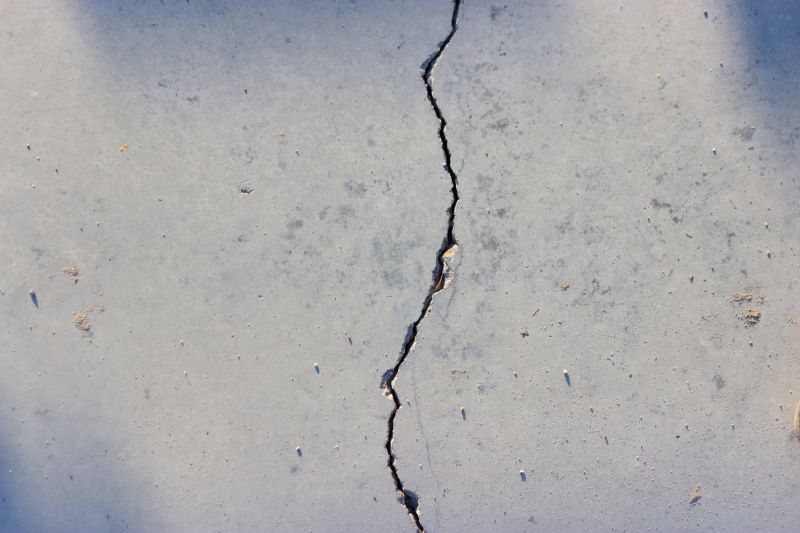
When evaluating service providers for concrete cracks, spalling, and surface damage repair, it’s essential to consider their experience with similar projects. An experienced contractor will have a history of addressing issues like those caused by concrete aging, ground movement, or exposure to harsh elements. This background can provide insight into their familiarity with the common causes of surface damage and their ability to implement effective repair strategies. Homeowners should inquire about the types of projects the contractor has completed and whether they have successfully handled repairs similar to what the property requires.
Clear written expectations are crucial when comparing local contractors. A reputable service provider should be able to outline the scope of work, including the methods they plan to use, the materials involved, and the estimated outcomes. This transparency helps ensure that both parties understand what to expect and can prevent misunderstandings later. Homeowners should seek detailed proposals or estimates that specify the repair process, which can also serve as a basis for evaluating the professionalism and thoroughness of each contractor.
Good communication and reputable references are key indicators of a reliable service provider. Contractors who are responsive, willing to answer questions, and provide references from past clients demonstrate a commitment to quality service. Contacting previous customers can offer valuable insights into how well the contractor manages projects, their reliability, and the durability of the repairs. When comparing local contractors, paying attention to how they communicate and whether they can provide references can help ensure that the chosen professional will be attentive to the homeowner’s needs and capable of delivering satisfactory results for concrete crack, spalling, and surface damage repairs.
Get a Quote for Concrete Cracks, Spalling, And Surface Damage Repair
Property owners often search for what causes concrete cracks, spalling, and surface damage when they are planning practical projects around their homes and businesses. Local pros provide Concrete Cracks, Spalling, and Surface Damage Repair services for everyday jobs and straightforward project options.
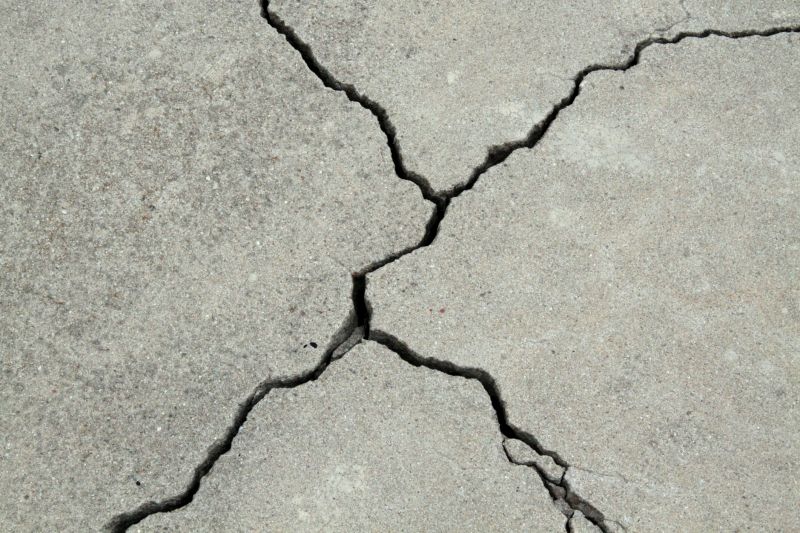
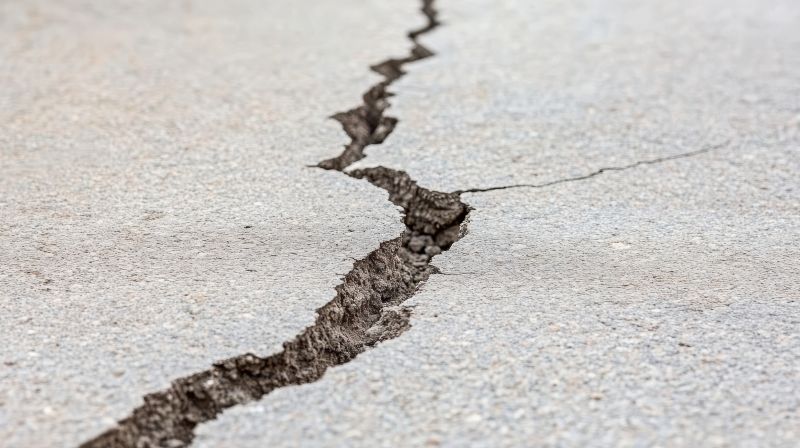
Understanding what causes concrete cracks, spalling, and surface damage can help property owners identify issues early and seek appropriate repairs. Common reasons include natural settling of the ground beneath the concrete, which can lead to stress and cracking over time. Additionally, exposure to freeze-thaw cycles can cause surface damage, especially in areas with fluctuating temperatures. Heavy loads, frequent foot traffic, or equipment placed on concrete surfaces can also contribute to surface deterioration and cracks, making it important to have experienced local contractors assess and address these problems before they worsen.
Many everyday project situations, such as pouring new concrete or repairing existing slabs, can inadvertently lead to surface issues if not done correctly. Improper mixing, inadequate curing, or poor installation practices are common causes of early surface damage and cracking. When property owners notice these problems, seeking the help of local service providers who specialize in concrete repair can ensure that cracks, spalling, and surface damage are properly repaired to restore the strength and appearance of the concrete. These professionals can evaluate the specific causes and recommend effective solutions to extend the lifespan of the surface.
Get a Quote for Concrete Cracks, Spalling, And Surface Damage Repair
What are common causes of concrete cracks, spalling, and surface damage? Common causes include structural movement, freeze-thaw cycles, improper mixing or curing, and exposure to moisture or chemicals that weaken the concrete over time. Local contractors can assess these issues to determine the root cause and recommend appropriate repair strategies.
How does temperature fluctuation lead to surface damage in concrete? Temperature changes cause the concrete to expand and contract, which can create stress and lead to cracking or surface spalling. Experienced service providers can implement measures to minimize damage caused by temperature-related movement.
Can moisture exposure cause concrete deterioration? Yes, excessive moisture or water infiltration can weaken the concrete matrix, leading to cracks, spalling, and surface deterioration. Local repair specialists can address moisture issues and restore the integrity of the concrete surface.
What role does improper installation or curing play in concrete damage? Poor installation practices or inadequate curing can result in weak spots, cracking, and surface damage. Skilled contractors can identify these issues and perform repairs to improve durability and appearance.
How do environmental factors contribute to concrete surface problems? Environmental factors such as chemical exposure, de-icing salts, and freeze-thaw cycles accelerate surface damage and spalling. Local service providers can evaluate environmental impacts and recommend effective repair solutions.
Understanding material quality - selecting high-quality concrete can help prevent cracks and surface damage in future projects by ensuring durability.
Managing ground movement - addressing soil stability and proper foundation preparation can reduce the risk of cracking caused by shifting or settling ground.
Controlling environmental exposure - applying protective coatings or sealants can shield surfaces from weather-related damage and spalling over time.
Proper installation techniques - ensuring skilled workmanship during pouring and finishing can minimize surface imperfections and extend the lifespan of concrete surfaces.
If you are thinking about what causes concrete cracks, spalling, and surface damage for a property, this guide is meant to help you understand this topic, the typical project types, and how different options might fit your plans.
When you are ready, you can use the quote form on this page to share a few details about your project. From there, local pros can review the basics and follow up with options that match what you have in mind.
Get a Quote for Concrete Cracks, Spalling, And Surface Damage Repair